
Independent Mold Inspection for Lauderdale Lakes Ranch Homes and Condos
Much of Lauderdale Lakes was built out through the 1960s and 1970s, and a half-century of Florida weather leaves a moisture history in stucco walls, condo roofs, and HVAC systems that a walkthrough alone cannot reveal. Home Enviro documents what instruments actually find, whether the building is a ranch home on the Middle River or a low-rise condo off State Road 7.
Moisture concerns in Lauderdale Lakes
Lauderdale Lakes, incorporated in 1961, grew rapidly through the 1960s and 1970s and today is one of the densest cities in Broward County. That growth period shapes what a mold inspection here typically encounters.
Residential streets are lined primarily with midcentury-era ranch-style and Minimal Traditional single-family homes, with a median year built for homes reported around 1973. Confirmed examples include the Garnet condominium (built 1974), Ruby condominium (1973), Cypress Chase Condominiums (1977), and the 55-plus Lauderdale Oaks community, built between 1968 and 1972. Oakland Estates, an ungated 55-plus community, sits directly on the Middle River and is specifically documented as featuring stucco-sided ranch homes from this era.
Beyond individual homes, numerous four-story walk-up and elevator condo buildings from the 1970s are common in the city, some directly waterfront or lakefront. Portions of the city fall within FEMA flood zone AH, a designation for areas vulnerable to shallow, one to three foot flooding in a 100-year event, and one climate risk model estimates roughly a 52 percent chance of a flood of about one foot affecting buildings here over a 30-year period. The city maintains a dedicated Stormwater Division responsible for flood protection and canal and waterway maintenance. We have not found documentation of a specific historic hurricane or storm event tied to Lauderdale Lakes, so we do not reference one.
Why a 50-year-old stucco wall needs more than a look
A stucco exterior does not always show staining even when moisture has been trapped behind it for years. That is the core reason mold assessment relies on instrument readings rather than a visual walkthrough alone, particularly in a city where much of the housing stock has now passed the half-century mark.
Stucco Hides What It Covers
A crack or failed sealant can let water behind a stucco finish for years without any visible surface sign, which is why moisture meter readings matter more than appearance.
Decades of Repairs Leave a History
Fifty years of roof replacements, plumbing repairs, and renovations can each introduce a moisture pathway that a current owner never sees documented anywhere.
Condo Buildings Add Shared Systems
In multi-story condo buildings, a roof or riser issue can affect units differently depending on floor and location, which is part of what an inspection is built to identify.
What a Home Enviro inspection may include
Given the concentration of stucco ranch homes and low-rise condo buildings dating to the 1960s and 1970s, moisture investigation and HVAC evaluation are typically emphasized in Lauderdale Lakes inspections.
Visual Assessment
A systematic review of the structure, with particular attention to stucco exteriors, window and door penetrations, and roof-to-wall transitions.
Moisture Investigation
Pin and pinless meter readings across exterior walls and interior surfaces, the primary tool for finding what stucco or drywall visually conceals.
Thermal Imaging
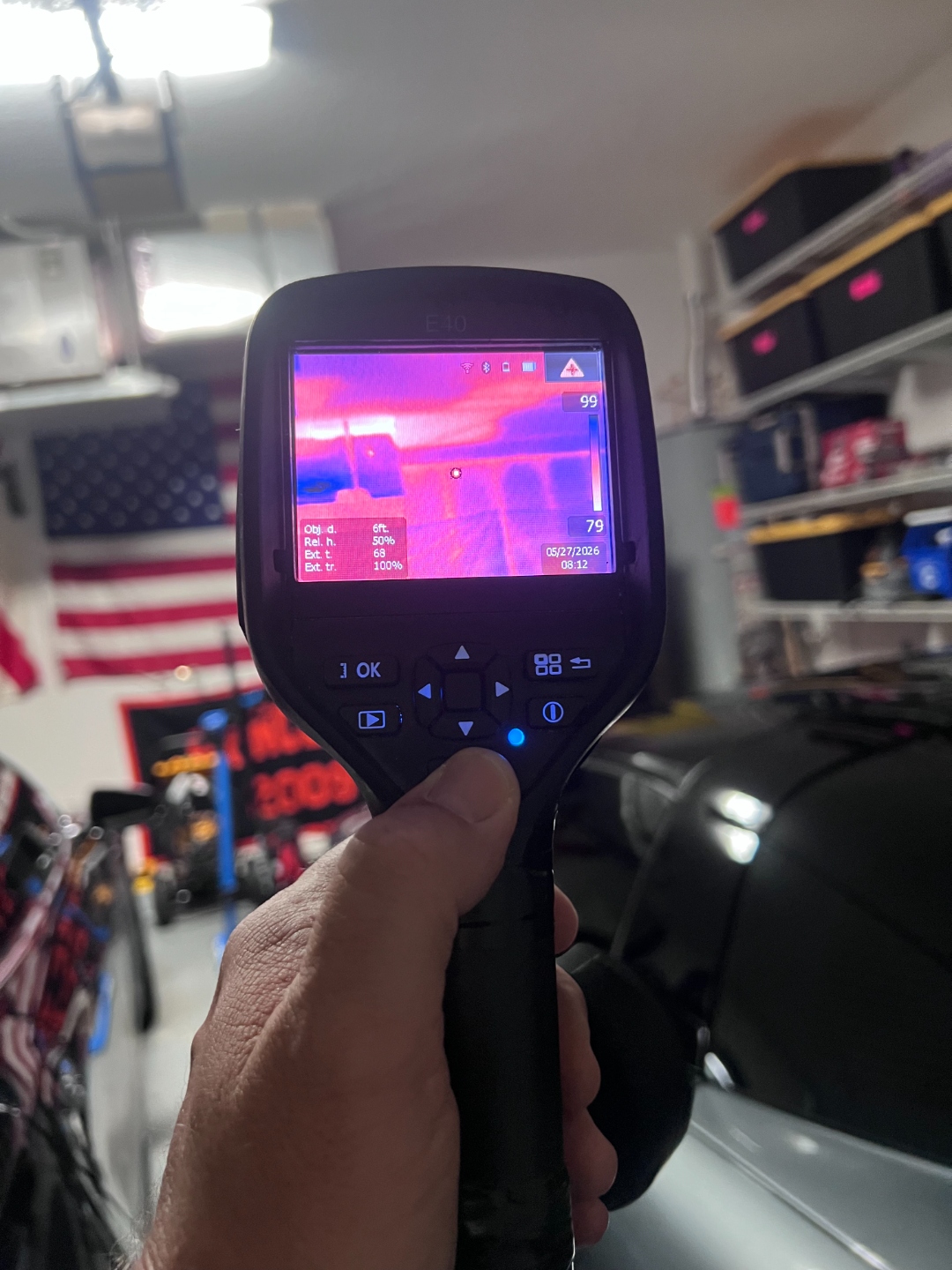
Infrared scanning to find temperature differences consistent with trapped moisture. Thermal imaging finds temperature differences only, not mold itself.
HVAC Evaluation
Especially relevant in aging condo buildings, where decades-old air handlers, ductwork, and coils are common sources of condensation-related growth.
Mold and Air Quality Testing
Independent laboratory sampling when visual and instrument findings indicate it is warranted.
A finding built on evidence, not a sales pitch
Home Enviro never performs remediation, removal, or repair work. In a city built out over sixty years ago, that distinction matters because an owner deciding whether a stucco wall or a condo air handler actually needs work should be able to trust that the answer was not shaped by who profits from the next step.
Home Enviro has served South Florida since 2016, supported by more than 20 years of industry experience. Our report explains what the moisture meter, thermal camera, and any laboratory results actually showed, so the owner understands the condition of the property before deciding on next steps with a separate, licensed remediation contractor if one is needed.
Buyers, sellers, and condo boards
Home Buyers
Given the age of the city's housing stock, an independent pre-purchase inspection helps a buyer understand a home's actual moisture condition rather than relying on its age alone. See our Home Buyers Mold Inspections service.
Sellers
Documenting current conditions on an older stucco home before listing can help address buyer questions proactively.
Condo Associations
Boards overseeing 1970s-era buildings benefit from an independent technical review of shared roof, riser, and HVAC systems. See our HVAC Mold Inspections service.
When laboratory testing may be appropriate
Sampling is not automatic. It is used when visual and instrument findings raise a specific question that only a laboratory can answer.
Suspected Growth Behind Stucco
When a moisture reading is elevated but no growth is visible, surface sampling behind an accessible opening can help confirm what is present. We never identify species from appearance alone.
Occupant Symptoms
Air sampling can characterize airborne spore concentrations when occupants report symptoms, understanding that one sample does not prove the absence of concealed growth elsewhere.
Post-Remediation Verification
After a separate remediation contractor finishes work on an older home or condo unit, independent PRV testing confirms whether clearance criteria were met.
What you receive
Photo and Instrument Documentation
Photos, moisture readings, and thermal images organized by area of the home or unit.
Full Laboratory Results
Complete, unedited lab results when sampling was performed, not a summarized excerpt.
Root Cause Explanation
Findings traced to a specific building science cause, closing with independent recommendations carrying no stake in any repair.
Lauderdale Lakes mold inspection, answered
Much of Lauderdale Lakes was built out through the 1960s and 1970s, with a median year built for homes reported around 1973. Buildings from that era have had five decades of roof replacements, plumbing repairs, and weather exposure, any of which can create a moisture history that is not visible from the outside. That is why an inspection relies on instrument readings rather than the age of a building alone.
Stucco-sided construction, documented for example in the city's Oakland Estates ranch homes, can trap moisture behind the exterior finish if a crack or failed sealant allows water intrusion, since stucco does not always show staining on the surface even when moisture is present underneath. A moisture meter reading, not a visual look at the stucco, is what actually establishes whether that is happening.
Lauderdale Lakes has numerous four-story walk-up and elevator condo buildings from the 1970s, some directly on the Middle River or nearby canals. In a condo building, an inspection typically evaluates the specific unit's interior conditions and HVAC system, while noting any signs that a finding may be tied to a shared building system such as a roof or riser rather than something isolated to one unit.
Portions of the city fall within FEMA flood zone AH, categorized as a severe flood risk area vulnerable to shallow flooding, and the city maintains a dedicated Stormwater Division for flood protection and canal maintenance. That flood zone context is relevant to moisture risk generally, though it does not by itself indicate whether any specific property has an active moisture or mold issue.
No. A single air sample provides a snapshot of airborne spore concentrations at one point in time in one location; it does not prove the absence of concealed mold growth elsewhere in a home, such as inside a wall cavity or above a drop ceiling in a condo unit.
No. Home Enviro performs independent inspection and testing only and never performs remediation, removal, or repair work. That separation is intentional, so our findings are not shaped by an incentive to recommend more work than a property actually needs.
Also serving neighboring Broward communities
Schedule an independent mold inspection in Lauderdale Lakes
Serving homeowners, condo associations, buyers, and property managers throughout Lauderdale Lakes and central Broward County.