Mold Inspection
An independent, evidence-based mold inspection — visual assessment, moisture mapping, thermal imaging, and laboratory-backed sampling used to document what is actually happening inside a structure, with no financial stake in the outcome.
A systematic investigation, not a walkthrough
A Home Enviro mold inspection is the systematic identification and documentation of fungal growth, its extent, and its underlying moisture source — not a quick visual look around a property.
Whole-Structure Review
A systematic visual review of the structure and its systems, covering the areas most likely to reveal hidden moisture or fungal growth.
Instrumented Data, Not Guesswork
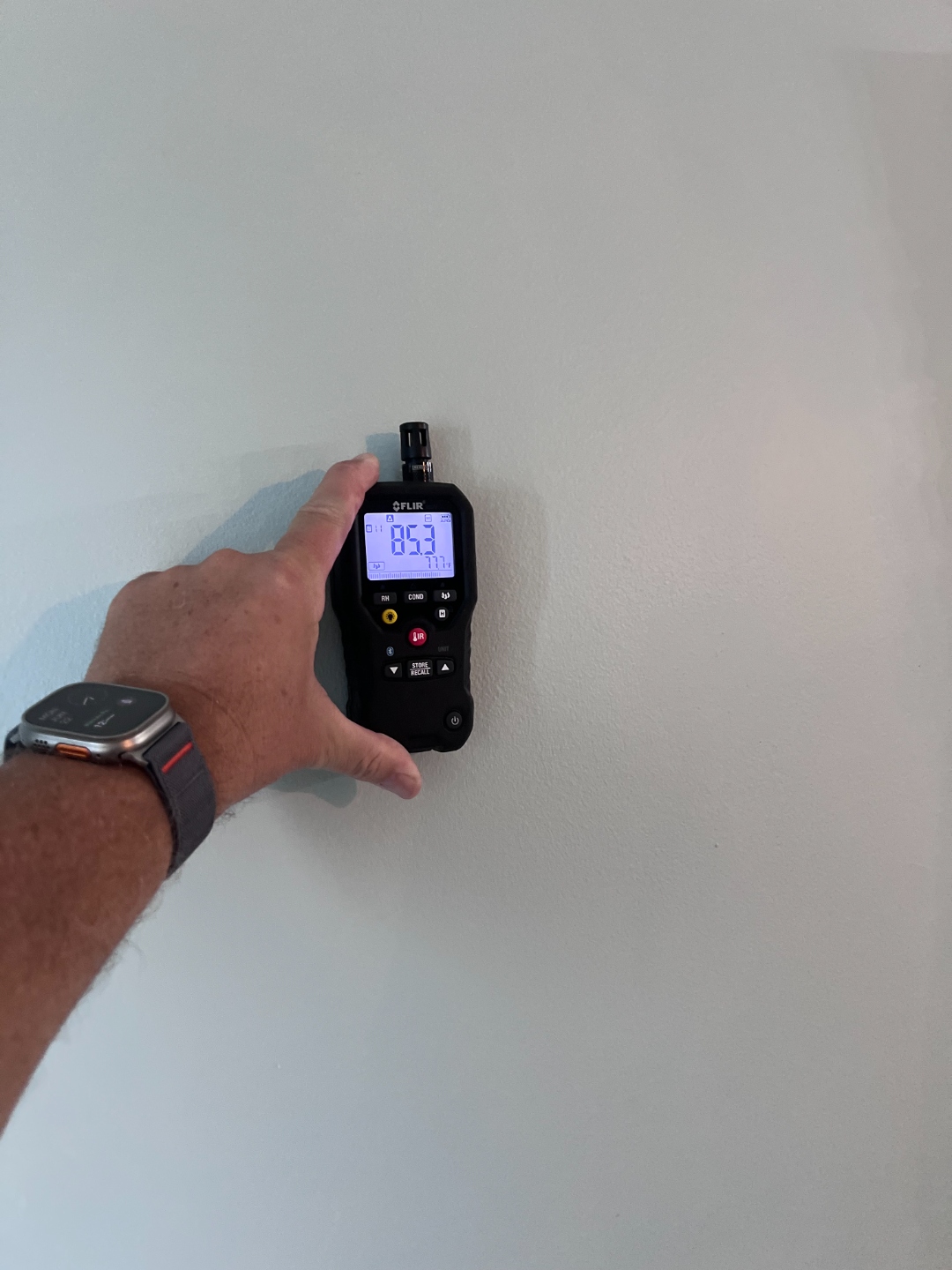
Pin and pinless moisture meters and infrared thermal imaging are used to find conditions a routine walkthrough would miss entirely.
Independent Lab Verification
When sampling is scientifically warranted, air and surface samples are processed by independent, accredited laboratories — not an in-house lab with an incentive to sell remediation.
How we investigate a building
A consistent, repeatable process — applied to every mold inspection, regardless of scope.
Visual Assessment
Systematic visual review of the structure and its systems.
Moisture Mapping
Pin and pinless meter readings across suspect surfaces.
Thermal Imaging
Infrared scanning to reveal temperature anomalies.
Sampling
Air and surface sampling, when scientifically warranted.
Laboratory Analysis
Independent, accredited laboratory processing of all samples.
Reporting
A clear, evidence-backed report documenting every finding.
From first visit to final report
Every mold inspection follows the same disciplined sequence, regardless of what we find.
Investigation
Initial scope defined. Building history, occupant concerns, and visible conditions reviewed.
Moisture Mapping
Pin and pinless meter readings establish a moisture profile across all suspect surfaces.
Thermal Imaging
Infrared scanning identifies temperature anomalies consistent with hidden moisture.
Air Sampling
Spore trap sampling characterizes airborne fungal concentrations when warranted.
Laboratory Analysis
Independent, accredited labs identify species and quantify spore concentrations.
Root Cause Investigation
Findings are traced back to a specific building science failure, not just a symptom.
Technical Report
A written report documents every finding with photos, data, and lab results.
Recommendations
Clear, independent technical recommendations — with no financial stake in the outcome.
Inspection only. Never remediation.
Home Enviro was founded on a simple principle: the people who assess a building's condition should never be the people who profit from fixing it. Since 2016, our team has approached every mold inspection as researchers first, documenting moisture behavior, air quality, and building performance with the same rigor a scientist would bring to a laboratory.
We do not sell remediation, and we do not sell repairs. Our only product is an accurate, defensible, and well-documented understanding of what is actually happening inside a structure. That independence is what allows our findings to hold up — with homeowners, with attorneys, and with the industry at large.
Building science, illustrated
Original diagrams we use internally to explain how moisture, air, and heat actually move through a structure during a mold inspection.
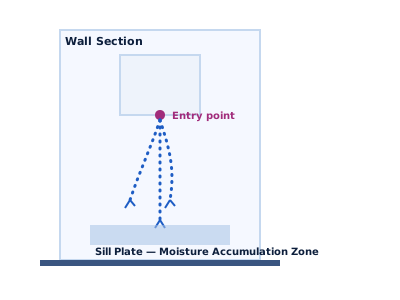
Moisture Migration
How water intrusion travels downward through a wall cavity before reaching the sill plate.
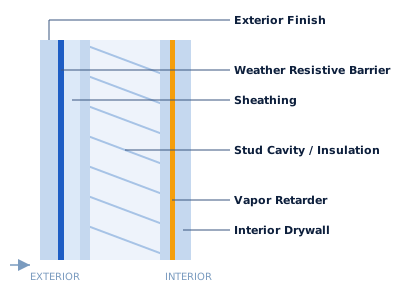
Wall Assembly
The layered components of a typical wall system, from exterior finish to interior drywall.
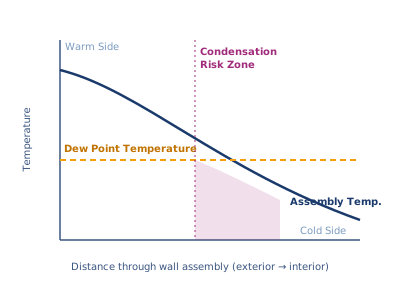
Dew Point
Where a wall assembly's temperature gradient crosses the dew point, creating condensation risk.
What the instruments actually find
Every mold inspection produces documented, photographed evidence — not a verbal opinion.
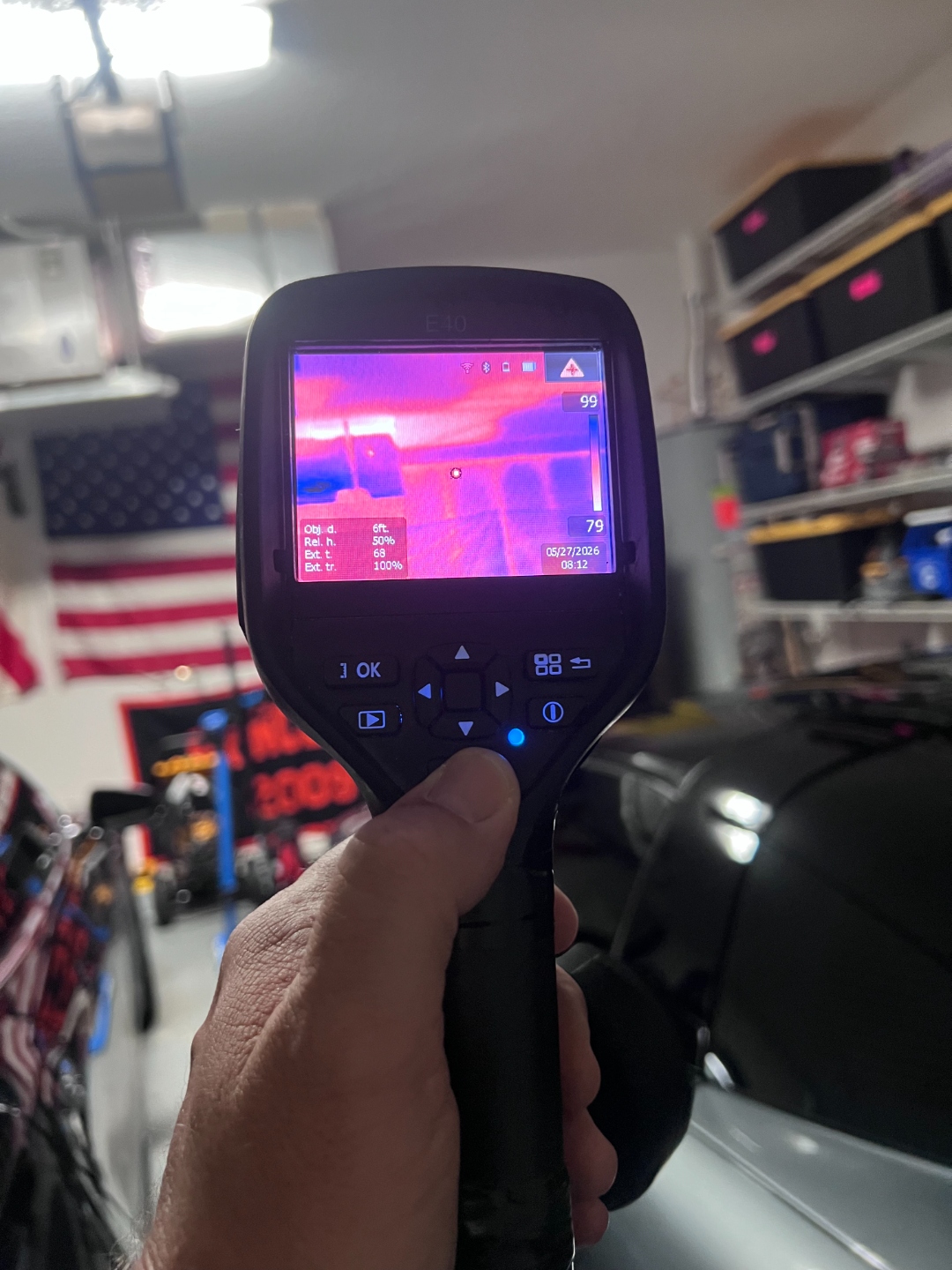
Thermal Imaging
Infrared scanning reveals temperature anomalies invisible to the naked eye.
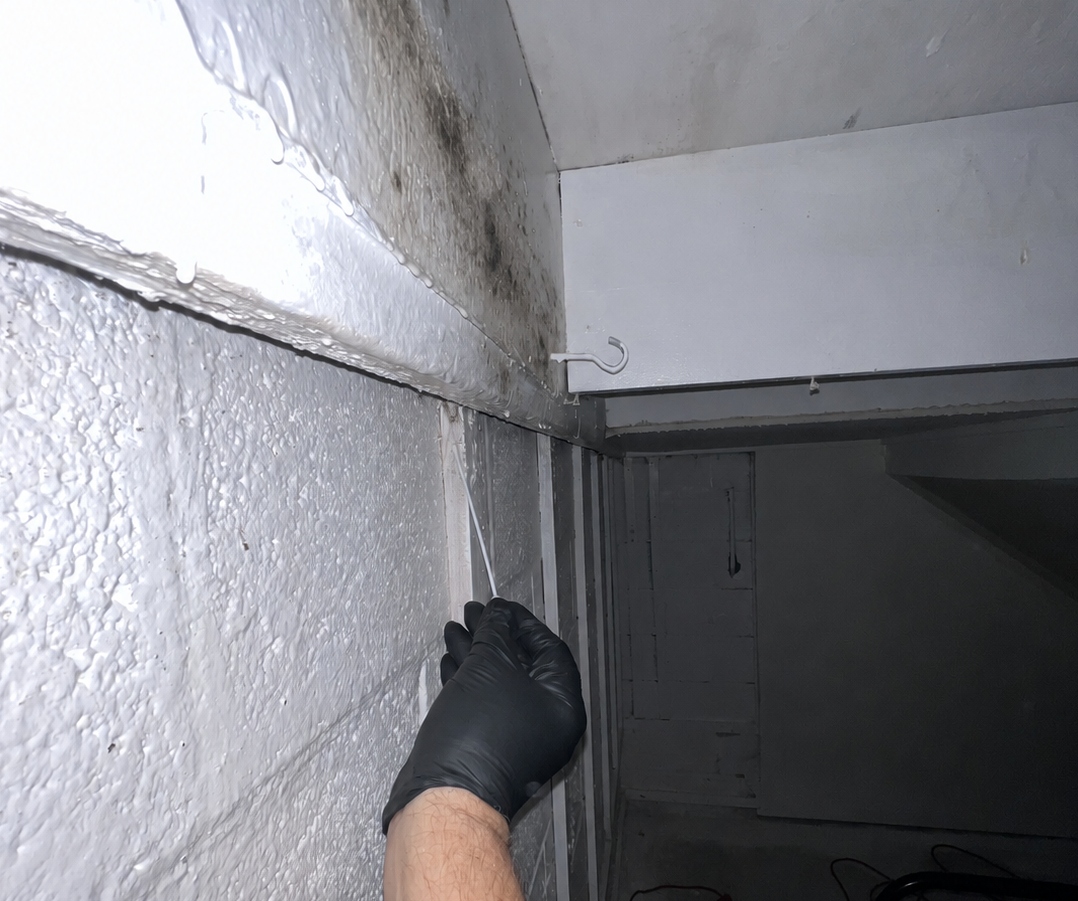
Surface Sampling
Direct sampling of visible growth to confirm species and extent.
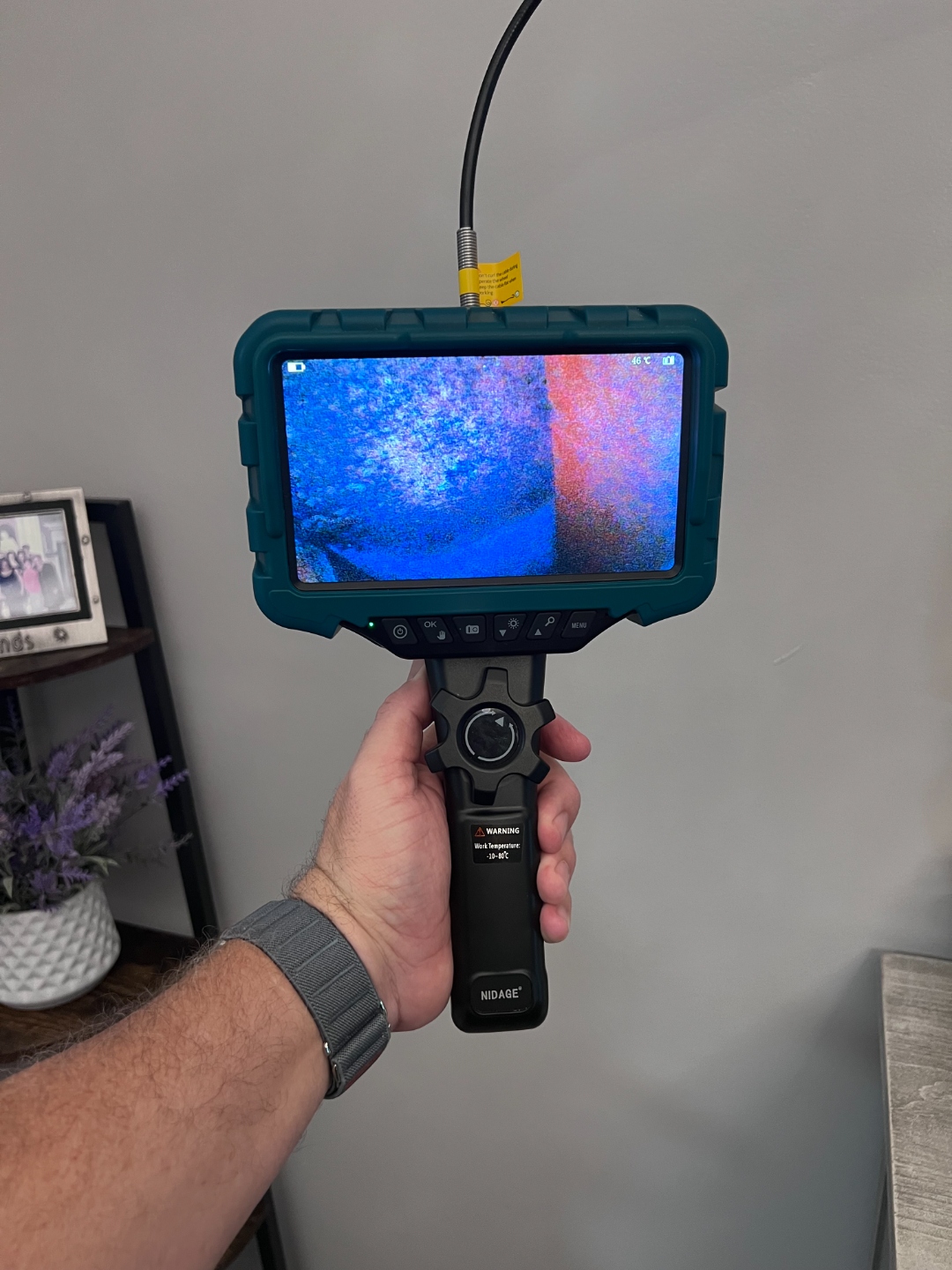
Borescope Inspection
Visual access inside wall cavities and other enclosed spaces without demolition.
Built for the people who rely on this information
Independent, third-party technical guidance for homeowners, legal teams, and industry professionals.
Homeowners
Plain-language findings for understanding what is actually happening inside a structure — and what an inspection report means.
Home Buyers & Realtors
An independent read on a property's condition before a purchase closes. See our Home Buyers Mold Inspections service.
Attorneys
Independent technical findings suitable for supporting real estate and insurance-related matters, with no financial stake in the outcome.
Property Managers
Technical background for evaluating recurring moisture or air quality complaints across a portfolio. See our Commercial Mold Inspections service.
What the final report includes
The report is the product — a defensible, well-documented record of what was found and why it happened.
Photo & Data Documentation
Every finding is documented with photos, moisture readings, and thermal imagery captured during the on-site investigation.
Laboratory Results
When sampling was performed, independent laboratory results identifying species and spore concentrations are included in full.
Root Cause & Recommendations
Findings are traced back to a specific building science failure, closing with clear, independent technical recommendations — with no financial stake in the outcome.
Other disciplines that often accompany a mold inspection
Mold inspection is one discipline among several within building science and environmental health.
Mold Testing
Air and surface sampling processed by independent, accredited laboratories to identify species and concentrations.
Indoor Air Quality Testing
Analysis of airborne particulates, spore concentrations, ventilation performance, and occupant exposure risk.
HVAC Mold Inspections
Inspection of air handlers, ductwork, and coils for microbial growth, condensation defects, and airflow issues.
Home Buyers Mold Inspections
Pre-purchase inspections that give buyers, realtors, and attorneys an independent read on a property's condition.
Commercial Mold Inspections
Large-scale assessments for hotels, offices, and multi-unit properties, from single rooms to full portfolios.
Case Studies
Real mold inspections, presented with methodology, findings, and technical reasoning intact.
Mold inspection, answered
A Home Enviro mold inspection follows a consistent, repeatable process: visual assessment of the structure and its systems, moisture mapping with pin and pinless meters, thermal imaging to detect temperature anomalies, air and surface sampling when scientifically warranted, independent laboratory analysis, and a clear, evidence-backed written report documenting every finding.
No. Home Enviro performs inspection and testing only and never performs remediation. This separation means our findings carry no financial stake in the outcome, which is why they hold up with homeowners, attorneys, and the industry at large.
Homeowners investigating musty odors or visible staining, home buyers and their realtors during a transaction, attorneys handling real estate or insurance-related matters, and property managers evaluating recurring moisture or air quality complaints across a portfolio all rely on independent mold inspection findings.
The final report documents every finding with photos, moisture and thermal data, and laboratory results where sampling was performed. Findings are traced back to a specific building science root cause rather than just a surface symptom, and the report closes with clear, independent technical recommendations.
Book an independent mold inspection today
Serving homeowners, buyers, attorneys, and property managers throughout Miami-Dade, Broward, and Palm Beach Counties.